
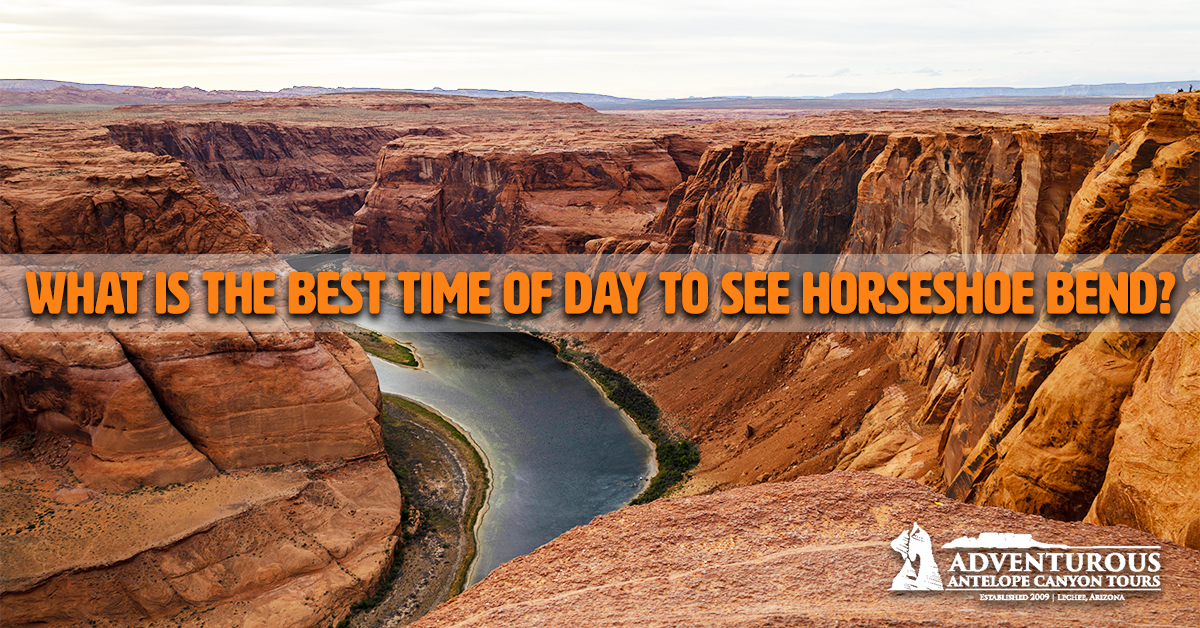
What Is the Best Time of Day to See Horseshoe Bend?
If you’re planning a summer trip to Northern Arizona, you’re probably wondering: what is the best time to see Horseshoe Bend? The short answer is sunrise or sunset. These times offer cooler temperatures, softer lighting, fewer harsh shadows, and some of the most breathtaking views in the Southwest.
Located just outside Page, Arizona, Horseshoe Bend has become one of the region’s most iconic viewpoints. Every summer, travelers from around the world arrive to witness the dramatic curve of the Colorado River winding through towering sandstone cliffs. But timing your visit correctly can completely transform the experience.
Whether you’re visiting for photography, sightseeing, or part of a larger Arizona adventure itinerary, here’s everything you need to know about the best time to visit Horseshoe Bend during peak summer travel season.
Why Timing Matters at Horseshoe Bend
Horseshoe Bend is beautiful throughout the day, but conditions can vary dramatically depending on the hour you visit.
Summer temperatures in Page, Arizona regularly climb above 100°F during midday hours. Combined with limited shade near the overlook, afternoon heat can quickly become uncomfortable for travelers unprepared for desert conditions.
Lighting also changes significantly throughout the day. Harsh overhead sunlight during midday can flatten the landscape visually and create stronger shadows, while sunrise and sunset provide softer, warmer tones that make the canyon walls glow.
Timing impacts:
- Crowd levels
- Parking availability
- Heat exposure
- Photography conditions
- Overall viewing experience
For most travelers, early morning and evening offer the best balance between comfort and scenery.
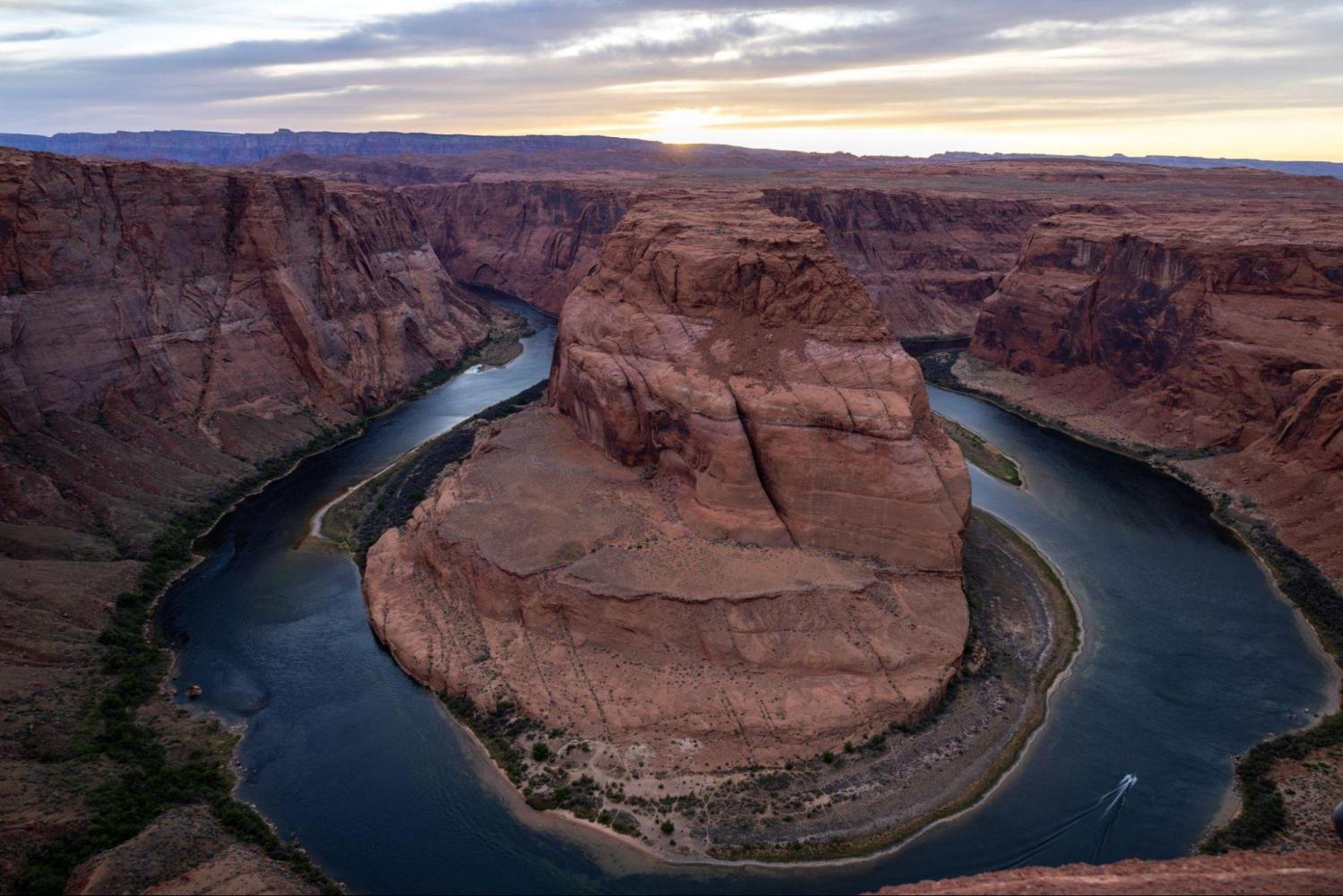
Is Sunrise or Sunset Better at Horseshoe Bend?
One of the biggest questions travelers ask is whether sunrise or sunset provides the better experience. The truth is that both offer incredible views, but each creates a very different atmosphere.
Sunrise at Horseshoe Bend
For travelers seeking a quieter and more peaceful experience, sunrise is often considered the best time to see Horseshoe Bend.
Benefits of visiting at sunrise include:
- Cooler summer temperatures
- Fewer crowds
- Softer natural lighting
- Better parking availability
- More relaxed photography opportunities
Early morning light gradually illuminates the canyon walls while casting soft golden tones across the Colorado River below. Photographers especially appreciate sunrise because the lower angle of the sun creates more balanced contrast and softer highlights.
Sunrise is also ideal for travelers planning a full day of sightseeing around Page. Many visitors begin their morning at Horseshoe Bend before heading to the famous Upper Antelope Canyon Tour, where Navajo guides lead guests through glowing sandstone corridors filled with history, culture, and breathtaking natural beauty.
Sunset at Horseshoe Bend
Sunset is the most popular time to visit Horseshoe Bend, especially during summer travel season.
As the sun lowers across the desert landscape, warm golden-hour lighting transforms the canyon into a vibrant display of orange, red, and amber tones. The dramatic contrast between the sandstone cliffs and deep blue river creates one of the Southwest’s most iconic photography scenes.
Benefits of sunset visits include:
- Stunning golden-hour lighting
- Vibrant desert colors
- Cooler evening temperatures
- Incredible panoramic photography
- A more dramatic visual atmosphere
The main downside is larger crowds. During peak summer months, sunset viewing can become very busy, especially on weekends and holidays. Arriving early is highly recommended if you plan to visit during sunset hours.
Travelers looking to continue their adventure after sunset can also explore the unforgettable Night Photography Tour, where photographers can capture long-exposure desert landscapes, star-filled skies, and stunning Milky Way imagery in the quiet beauty of Northern Arizona.
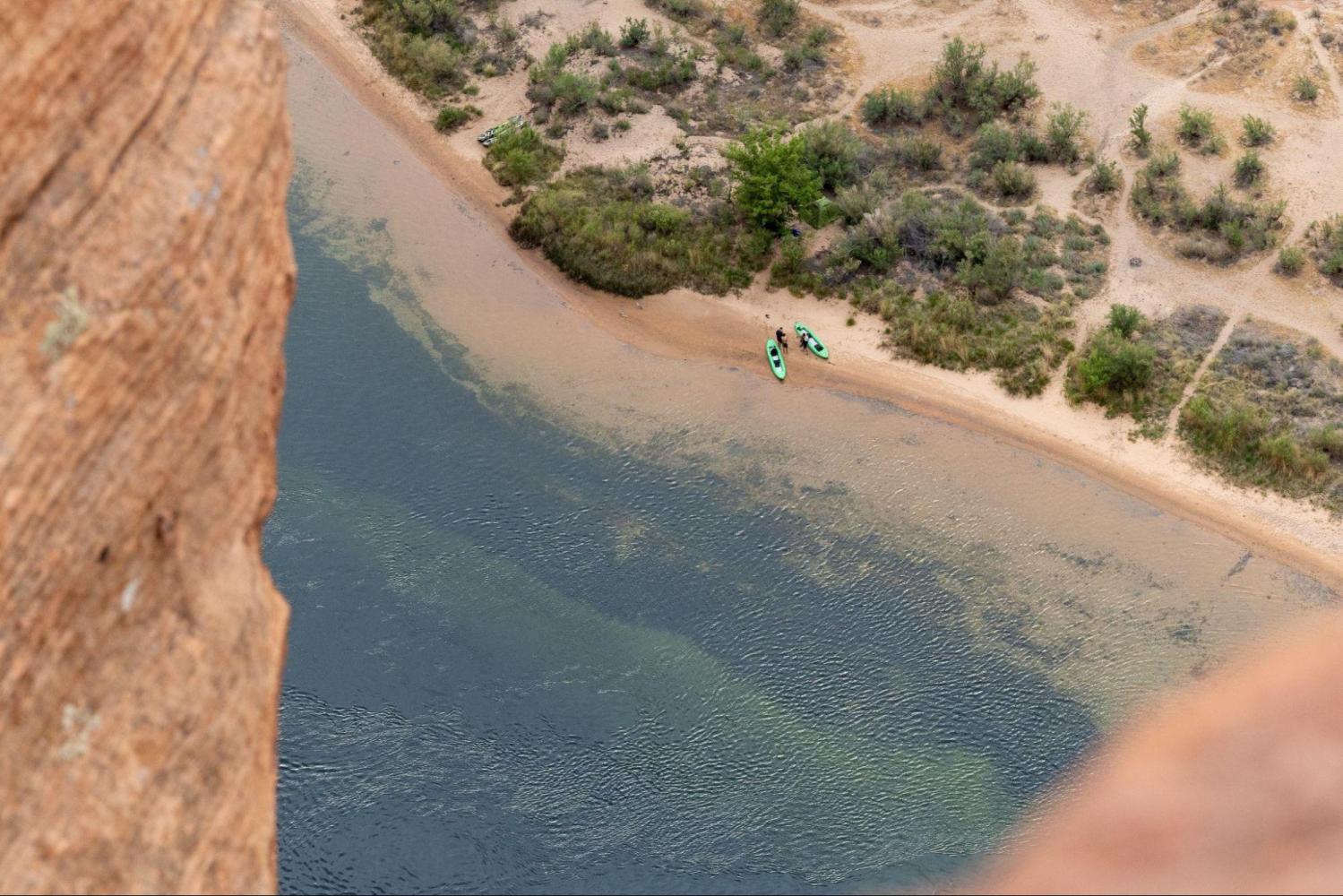
Best Time to Visit Horseshoe Bend During Summer
Summer is one of the busiest travel seasons in Page, Arizona. Families, photographers, and road trippers from across the world visit Northern Arizona between June and August, making planning especially important.
The best summer strategy is simple:
- Visit before 10 AM or after 5 PM
- Avoid midday heat whenever possible
- Bring plenty of water
- Wear lightweight clothing and comfortable walking shoes
- Plan for direct sun exposure
The walk from the parking area to the overlook is relatively short, but desert heat can make it more physically demanding than expected.
If you’re visiting Horseshoe Bend during a summer road trip, many travelers pair it with nearby canyon adventures and scenic flights for a full day of exploration. Experiences like the Upper Antelope Canyon Morning Combo Tour combine aerial sightseeing with guided canyon exploration, allowing travelers to experience Page from both the sky and the canyon floor.
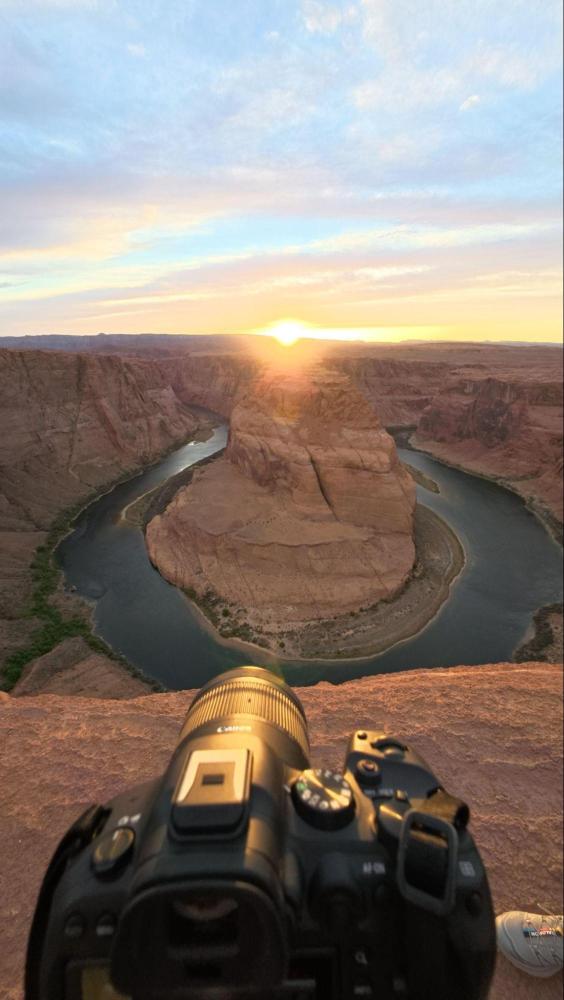
Best Photography Times at Horseshoe Bend
For photographers, timing can make all the difference.
The best photography time at Horseshoe Bend depends on the style of imagery you’re hoping to capture.
Best Time for Landscape Photography
Golden hour near sunrise and sunset creates softer shadows and warmer tones that highlight the canyon’s texture and depth.
Best Time for Crowd-Free Photos
Sunrise generally offers fewer visitors and more flexibility for composition without crowds entering the frame.
Best Time for Dramatic Color
Sunset provides richer desert tones and more intense lighting contrasts.
Best Time for Astrophotography
Night conditions near Page, Arizona can be excellent for astrophotography thanks to minimal light pollution and expansive desert skies.
Advanced photographers searching for crowd-free slot canyon imagery often choose the Three Canyon Photography Tour, which explores Mountain Sheep Canyon, Owl Canyon, and the twisting beauty of Rattlesnake Canyon in small-group settings designed specifically for experienced photographers.
Travelers can also browse the Adventurous Antelope Canyon Gallery for photography inspiration and examples of the incredible lighting conditions found throughout the canyons and surrounding desert landscapes.
What to Do Near Horseshoe Bend
One of the best parts about visiting Horseshoe Bend is how close it is to many of Page’s top attractions.
Many travelers turn a Horseshoe Bend stop into a full-day adventure itinerary by combining multiple experiences throughout the region.
Explore Multiple Slot Canyons
Visitors wanting a broader canyon experience often choose the Upper Antelope, Owl & Rattlesnake Canyon Tour, which showcases several unique canyon environments in one unforgettable adventure. From the flowing walls of Upper Antelope Canyon to the narrow twists of Rattlesnake Canyon and the open beauty of Owl Canyon, this experience offers travelers a deeper connection to the landscape and Navajo storytelling traditions.
See the Southwest from the Air
For a completely different perspective of Northern Arizona, travelers can experience aerial views through Antelope Air. Scenic flights reveal the immense scale of Horseshoe Bend, Lake Powell, Glen Canyon, and the surrounding desert landscape from above.
Continue Your Journey to Monument Valley
Road trippers spending multiple days in the Southwest often continue their adventure with Navajo-guided experiences through Monument Valley, another iconic destination filled with towering sandstone formations and breathtaking desert scenery.
Final Thoughts: When Is the Best Time to See Horseshoe Bend?
For most travelers, the best time to see Horseshoe Bend is either sunrise or sunset. Sunrise offers cooler temperatures, fewer crowds, and softer lighting, while sunset delivers dramatic golden-hour views and vibrant desert colors.
No matter when you visit, Horseshoe Bend remains one of the most unforgettable sights in the American Southwest. Planning ahead during the busy summer travel season can help you avoid crowds, stay comfortable in the desert heat, and make the most of your time in Page, Arizona.
While you’re here, don’t miss the opportunity to experience nearby Navajo-led adventures, scenic canyon tours, photography experiences, and breathtaking aerial views throughout the region.
Ready to start planning your Page, Arizona adventure? Contact the Adventurous Antelope Canyon team to learn more about tours, photography experiences, and unforgettable Southwest travel opportunities.