
Fall Photography at Antelope Canyon: What to Capture Beyond the Famous Light Beams

Photo Credit: Lionel Bigthumb Visuals
Antelope Canyon photography is famous around the world, but there is much more to capture inside these sandstone corridors than the iconic shafts of sunlight often associated with summer.
As September arrives in Page, Arizona, the changing season gives photographers another reason to look closer. Instead of chasing a single famous shot, fall is an opportunity to focus on the canyon’s flowing sandstone, reflected light, dramatic shadows, abstract formations, and constantly changing colors.
For photographers, adventure travelers, and anyone planning a fall trip to Northern Arizona, Antelope Canyon offers an almost endless collection of details waiting to be noticed.
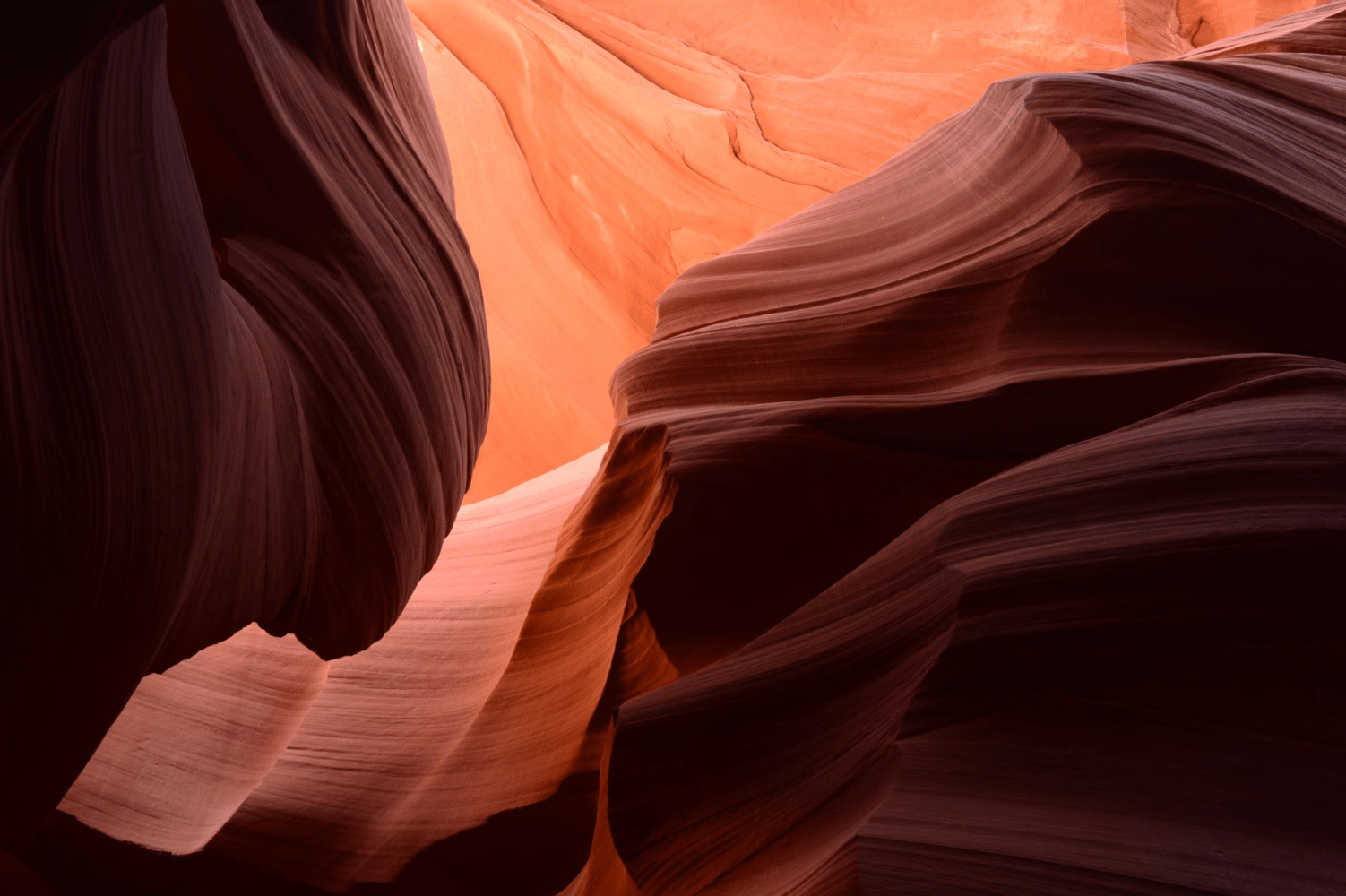
Photo Credit: Lionel Bigthumb Visuals
Antelope Canyon Photography Is About More Than Light Beams
The famous light beams of Upper Antelope Canyon have helped make this landscape one of the most recognizable photography destinations in the American Southwest.
But they tell only part of the story.
Inside the canyon, natural light interacts with sandstone at nearly every turn. Bright openings transition into deep shadows. Curved walls catch reflected light. Orange, red, gold, purple, and even cooler tones can appear depending on your position, the conditions outside, and the light entering the canyon.
Adventurous Antelope Canyon Tours describes its Upper Antelope Canyon Tour as an experience where visitors can watch natural sunlight illuminate canyon walls as their colors change throughout the seasons.
That changing light is part of what makes photographing Antelope Canyon so rewarding.
Rather than entering with one photograph in mind, let the canyon show you what is happening that day.
Why Fall Is Worth Considering for Antelope Canyon Photography
September and October can offer a different visual experience from the height of summer.
The changing position of the sun affects how natural light reaches and reflects through the canyon. Instead of thinking of this seasonal transition as the end of photography season, think of it as an invitation to explore different compositions.
Fall photography can shift your attention toward:
- Reflected light along sandstone walls
- Deep contrasts between highlights and shadows
- Abstract curves and textures
- Narrow openings toward the sky
- Warm sandstone tones
- Layered canyon walls
- Silhouettes that create a sense of scale
- Small geological details that might otherwise go unnoticed
The result is a collection of photographs that can feel more personal and less focused on recreating the same Antelope Canyon image you have already seen online.
Look for Reflected Light
One of the most beautiful features of slot canyon photography is reflected light.
Sunlight does not need to fall directly onto a canyon wall to illuminate it. Light can bounce between sandstone surfaces, creating a softer glow across curves and recesses.
This is where patience becomes important.
Instead of photographing only the brightest area in front of you, look toward the edges of the light. Watch how one illuminated wall influences another.
Sometimes the most interesting photograph is not where the sunlight enters the canyon, but where that light eventually lands.
Focus on the Canyon’s Shapes
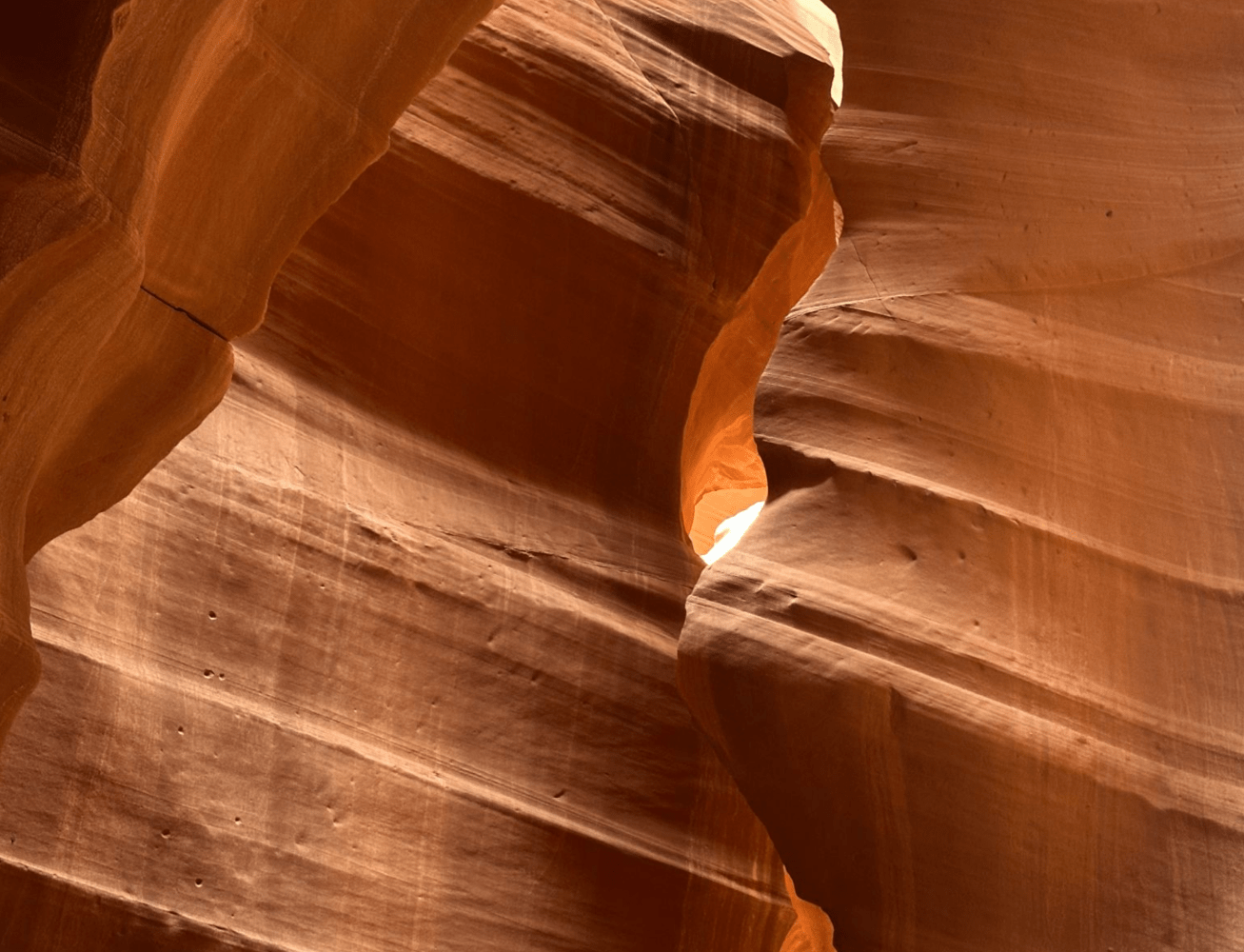
Antelope Canyon was shaped over time by the movement of water through sandstone. The result is a landscape filled with sweeping curves, narrow passages, sculpted walls, and flowing forms.
Those shapes create natural compositions everywhere you look.
Try isolating one curve instead of photographing an entire chamber. Look for sandstone edges that lead your eye through the frame. Experiment with negative space created by dark shadows.
A small section of the canyon can sometimes produce a more striking photograph than a wide view.
For even more opportunities to photograph abstract sandstone formations, consider the Rattlesnake Canyon Tour. Adventurous Antelope Canyon Tours specifically highlights Rattlesnake Canyon’s textured sandstone, dramatic curves, scenic views, and opportunities for abstract photography.
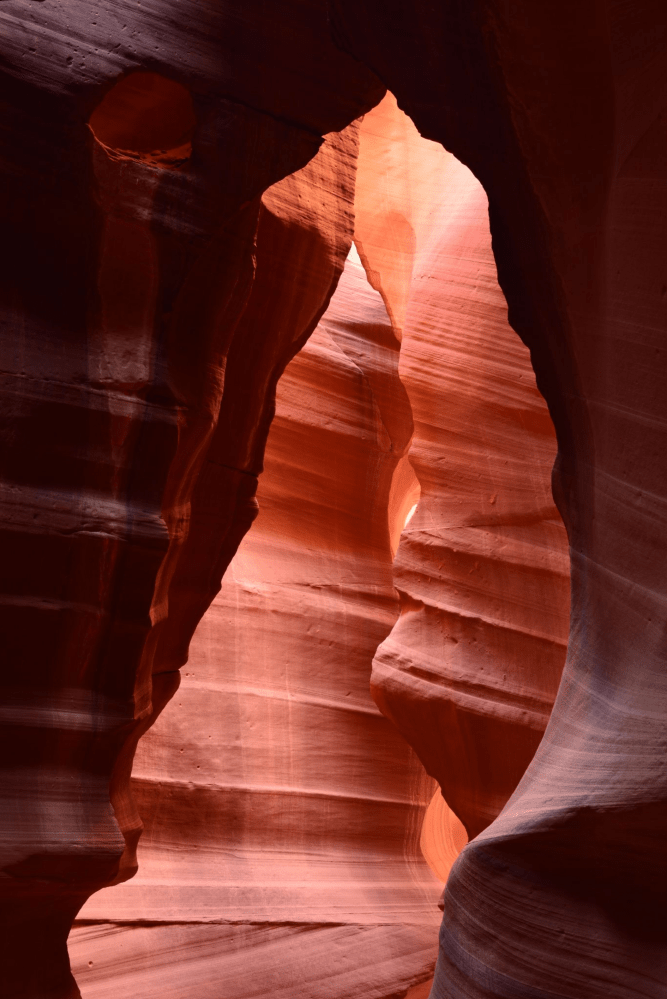
Photo Credit: Lionel Bigthumb VIsuals
Experiment With Vertical and Horizontal Compositions
Antelope Canyon naturally encourages vertical photography.
Looking upward emphasizes the height of the sandstone walls and draws attention toward openings in the canyon ceiling.
But do not forget to turn your camera.
Horizontal photographs can reveal relationships between multiple sandstone surfaces, emphasize sweeping curves, and create layered compositions that feel completely different from the classic vertical canyon image.
Taking a few moments to try both orientations can help you find a composition you might otherwise miss.
Use Shadows as Part of the Photograph
Darkness is not necessarily something to eliminate from a canyon photograph.
Shadows help define the shape of the sandstone.
They can separate layers, create depth, hide distracting details, and emphasize the parts of the scene that are illuminated.
Instead of automatically trying to brighten every shadow, experiment with allowing darker areas to remain dark.
The contrast can make the illuminated sandstone appear even more dramatic.
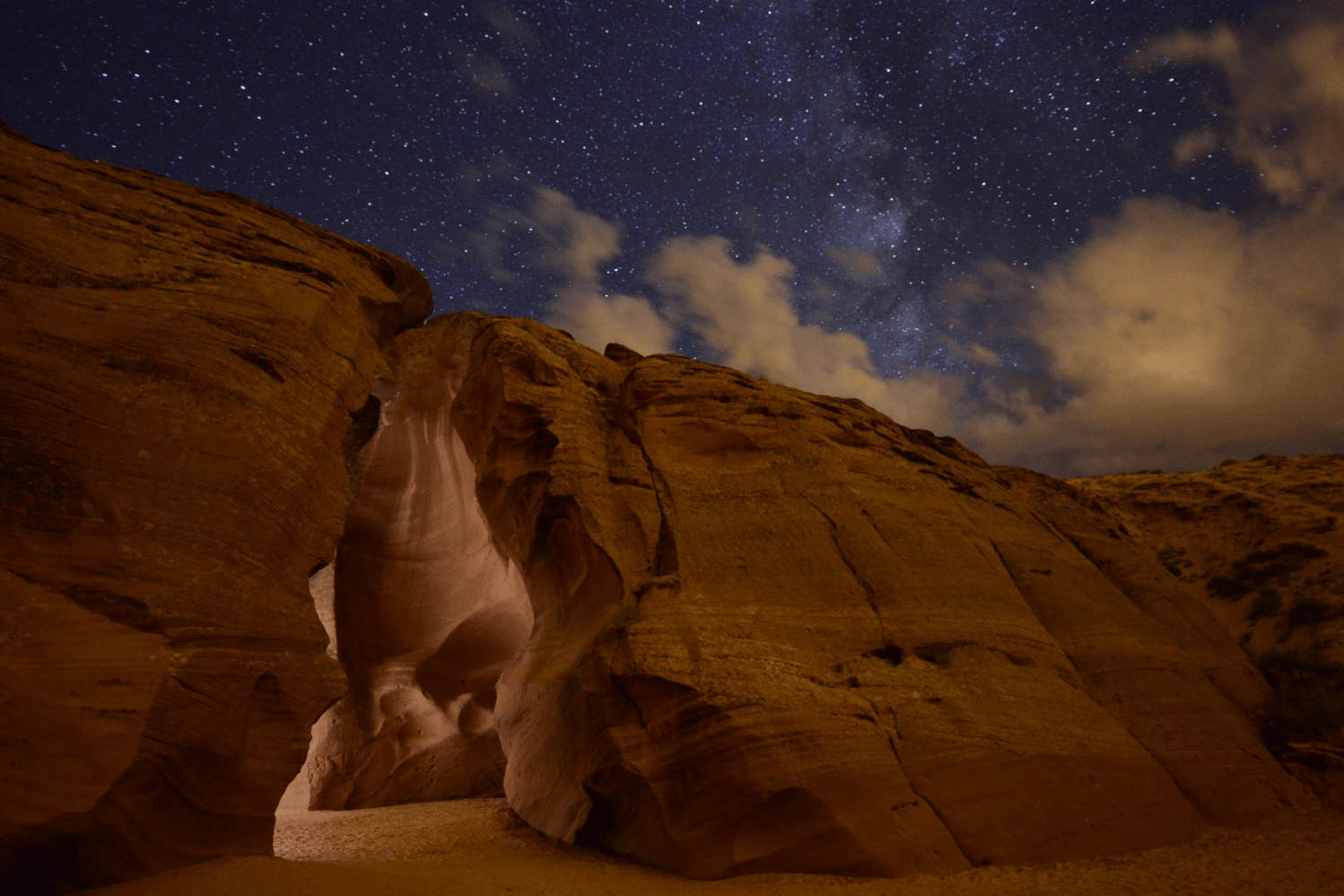
Photo Credit: Lionel Bigthumb Visuals
Experience Antelope Canyon After Dark
For photographers looking for a completely different way to experience Upper Antelope Canyon, our Night Photography Tour offers the chance to photograph the canyon after sunset.
This three-hour experience begins one hour after sunset and is designed for experienced photographers who are already comfortable with their camera equipment. After dark, the familiar sandstone walls take on a different character, creating opportunities to work with dramatic shadows, textures, and nighttime compositions that are not available during a traditional daytime tour.
Participating photographers are required to bring a tripod, and the tour is guided by a professional photographer who can help guests make the most of the unique conditions. Because this is not a photography workshop, guests should arrive familiar with their camera settings and equipment.
Non-photographers can also join as tag-along guests to experience Upper Antelope Canyon at night, although only registered photographers may bring photography equipment.
For photographers who have already seen the canyon during the day or simply want to create something beyond the classic Antelope Canyon image, the Night Photography Tour offers a rare opportunity to see this iconic landscape from an entirely different perspective.
Prepare Before Entering the Canyon
A little preparation can help you spend more time experiencing the canyon and less time adjusting equipment.
Before your tour:
- Become familiar with your camera settings.
- Make sure batteries are charged.
- Check available storage space.
- Clean your lens before arrival.
- Have your preferred settings easily accessible.
- Protect your camera from blowing sand.
AACT specifically recommends that photographers on its Upper Antelope Canyon Tour bring protection for their camera because sand can enter the canyon from multiple directions.
Tour policies and equipment requirements can vary by experience, so review the information provided for your specific tour before arriving.
You can find answers to common planning questions on the Adventurous Antelope Canyon Tours FAQ page.
Respect the Land While You Photograph It
Antelope Canyon is located within the Navajo Nation, and visiting it is different from entering an unrestricted public hiking area.
The Navajo Nation Parks & Recreation Department states that guides are required for Antelope Canyon. Visitors should follow their guide’s instructions and all applicable Navajo Nation rules while on the land.
You can review current visitor information through Navajo Nation Parks & Recreation.
Commercial photographers should also pay careful attention to current rules. Navajo Nation Parks & Recreation maintains specific regulations regarding commercial photography and filming, and its current guidance states that photography and filming permits are not issued for Upper or Lower Antelope Canyon because of visitation levels.
Always verify the latest requirements before planning any commercial photography project.
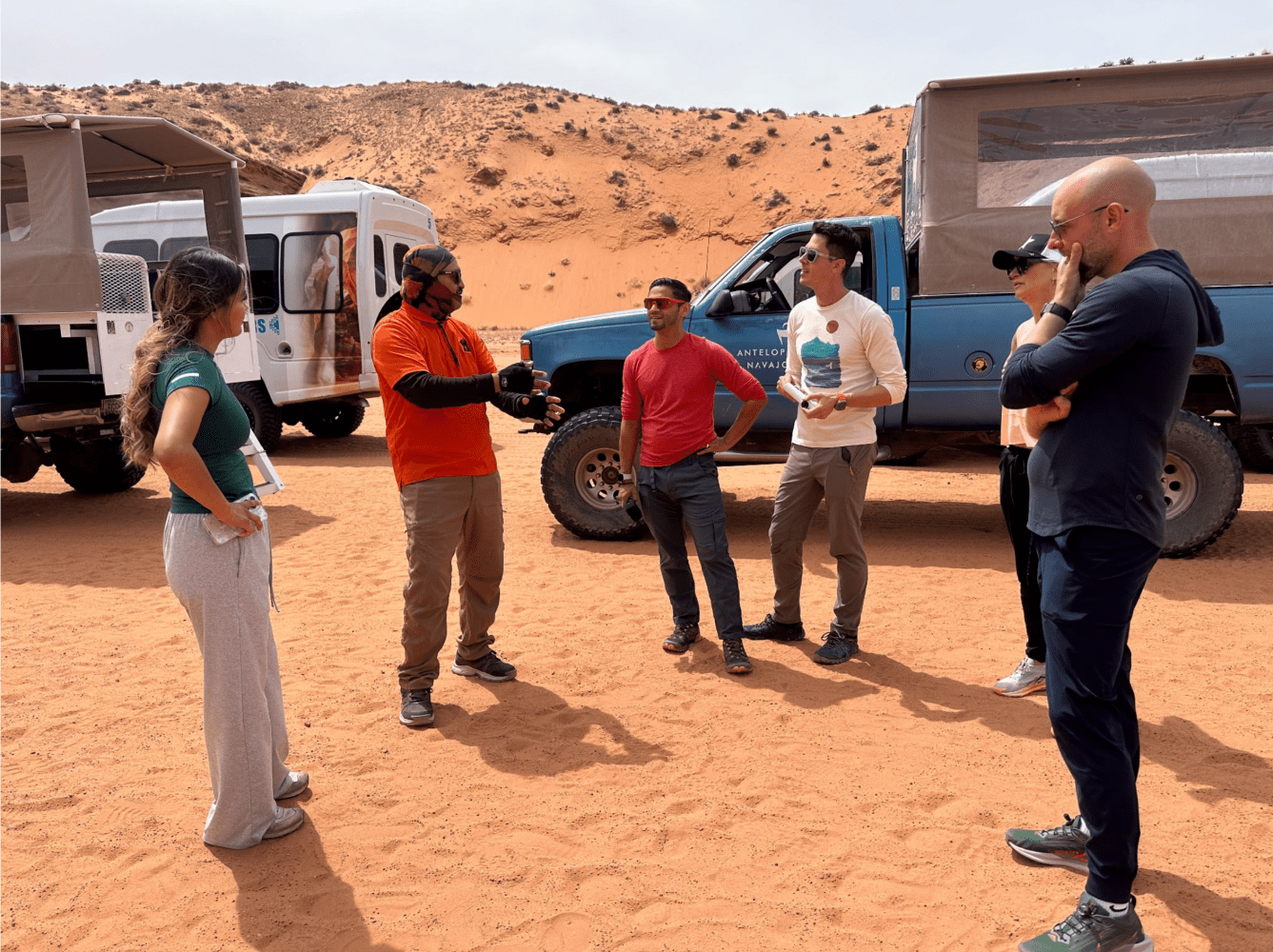
Let Your Navajo Guide Help You See More
Photography can become more meaningful when you understand something about the place you are photographing.
A Navajo-led Antelope Canyon experience offers visitors more than access to beautiful scenery. Local guides can help guests notice the landscape from a perspective that goes beyond the camera.
Listen to the stories shared during your experience. Pay attention to the formations your guide points out. Ask respectful questions when the opportunity is appropriate.
You may find yourself photographing details you would have walked past on your own.
That deeper awareness is part of what transforms a collection of beautiful photographs into memories connected to a particular place.
Build a Photography Trip Around Page, Arizona
Antelope Canyon does not have to be the only landscape on your fall photography itinerary.
Page is surrounded by dramatic desert scenery, making it easy to build a trip around different types of landscapes and perspectives.
You can pair narrow sandstone corridors with expansive views around the Page area or use your canyon tour as the centerpiece of a larger Northern Arizona journey.
For more ideas, explore our guide to the best things to do in Page, Arizona.
And before your trip, browse the Adventurous Antelope Canyon Tours photo gallery for inspiration.
See Antelope Canyon Through a Different Lens This Fall
Great Antelope Canyon photography does not depend on recreating a photograph someone else has already taken.
Sometimes it is the quiet details that create the most memorable images: reflected light tracing a sandstone curve, a narrow strip of sky overhead, a dramatic shadow separating two canyon walls, or a texture that only becomes noticeable when you stop and look closely.
This fall, come ready to notice those details.
Walk through sacred sandstone corridors with local Navajo guides, experience the canyon’s changing light, and discover a landscape that offers a new composition around nearly every turn.
Ready to experience Antelope Canyon for yourself?
Explore our Navajo-led Antelope Canyon tours and book your journey online.
Sacred Land, Shared Stories.